Get a Free Quote
Thank You!
We'll get back to you shortly. For immediate help, call (855) 473-5280.
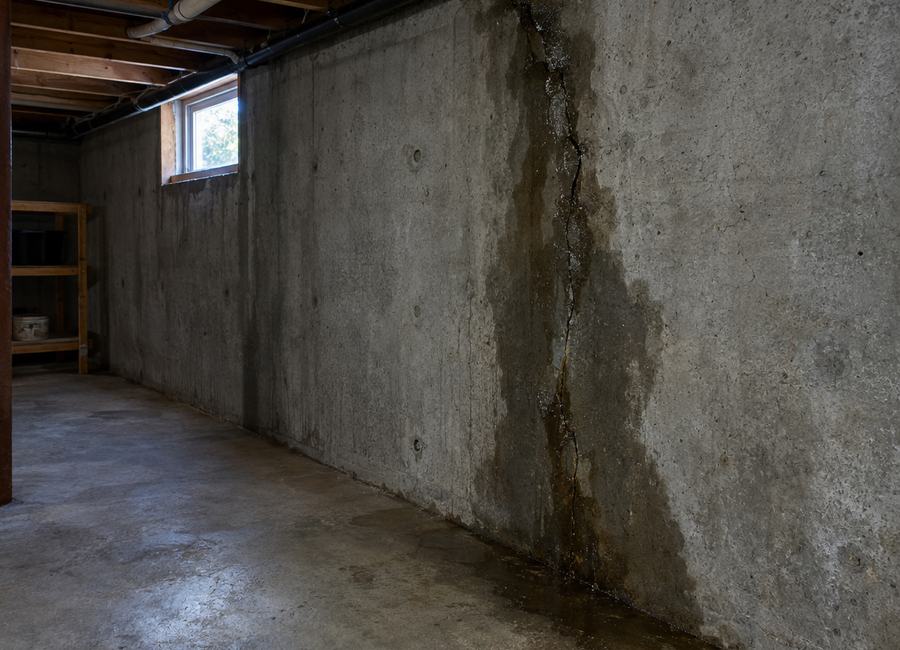
Basement Waterproofing Asheville keeps water out of homes across Asheville and all of Buncombe County. We handle it every way it needs handling: interior drainage systems that catch water at the footing and pump it out, exterior waterproofing that seals the foundation from the outside, foundation waterproofing membranes, french drains that move water away from the house, and sump pumps that keep the low point dry. If your basement or crawl space smells musty, stains, or takes on water when it rains, we find where it is getting in and stop it.
Asheville is hard on foundations. Homes sit on mountain slopes that funnel rainwater straight at the walls, the region gets heavy rain, and the clay soil holds that water against the foundation until it finds a way through. We size the right system to your home and your water, not a one-size quote, and every job starts with a free inspection.
Tap your answer to each question below. We will point you to the likely fix and pull up your free estimate, no guesswork and no upsell.
1. Where is the water showing up?
Tap an answer to start
2. When does it happen?
3. Is your lower level finished or in use?
If your basement or crawl space is doing any of these, water is getting in, and a free inspection will find where.
Standing water, damp spots, or puddles on the basement floor after rain is the clearest sign water is getting in and your drainage is not keeping up.
That persistent musty odor is moisture and mildew. It means humidity is high enough to grow mold, and the air down there is moving up into the rest of the house.
A white, chalky, crystal-like film on the walls is mineral salt left as water moves through the concrete and dries. It is proof moisture is passing through the wall.
Water lines, dark stains, or a wall that is wet to the touch show water is seeping through cracks or porous concrete under pressure from the soil outside.
Visible mold on walls, framing, or stored items means the space has stayed damp. It is a health issue as much as a moisture one, and it does not clear up until the water does.
Sweating walls, foggy windows, or a clammy feel downstairs point to a humidity problem that a vapor barrier, drainage, or dehumidifier is built to fix.
Every method to keep a basement, foundation, and crawl space dry, matched to how water is actually getting in.
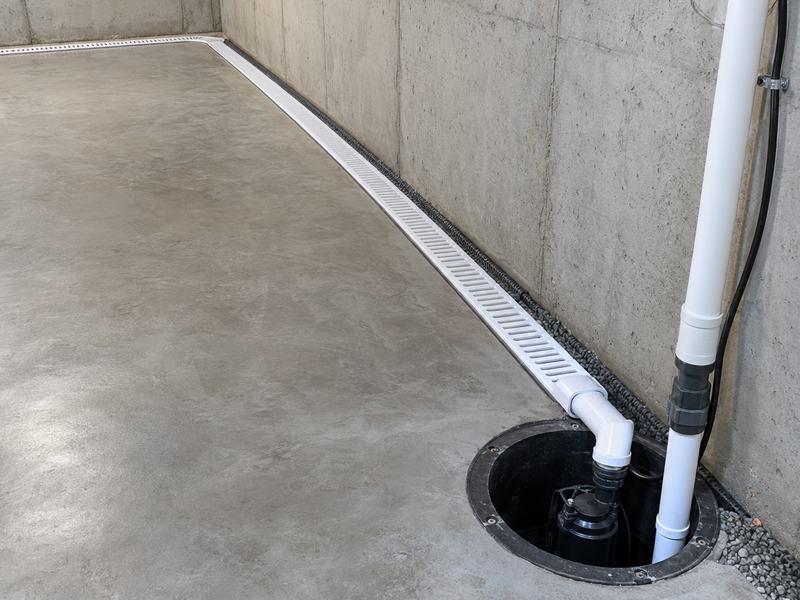
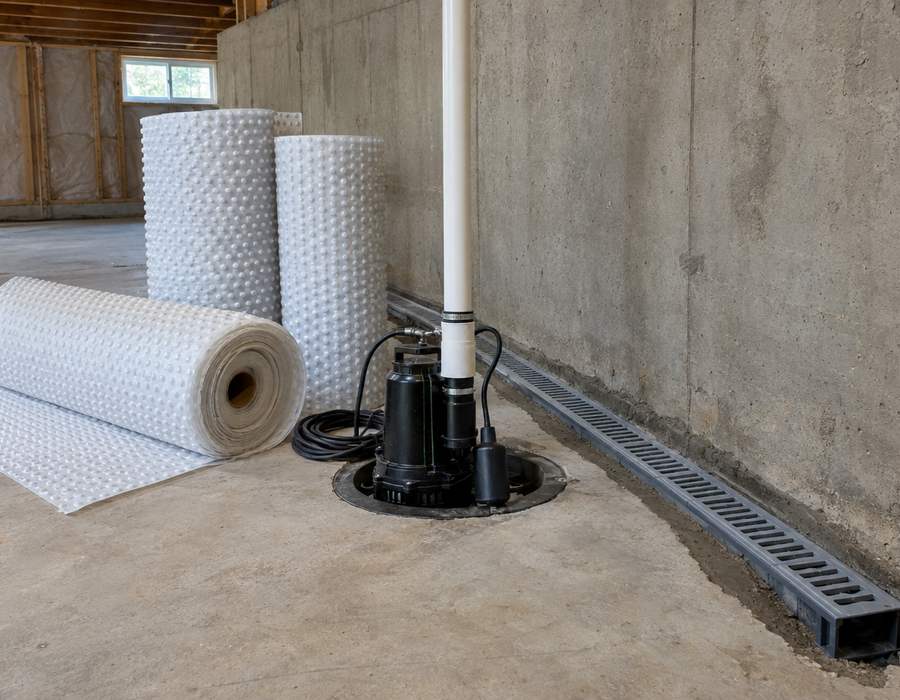
Interior waterproofing is the common, less-disruptive fix for a basement that is already taking on water. We install an interior drainage channel at the footing that catches water at the base of the wall and routes it to a sump pump, which pumps it out and away from the house. No excavation, no torn-up landscaping.
It keeps the lower level dry year-round and can usually be done in a day or two. We pair it with a vapor barrier and, where it helps, a dehumidifier, so you solve the water and the humidity at the same time.
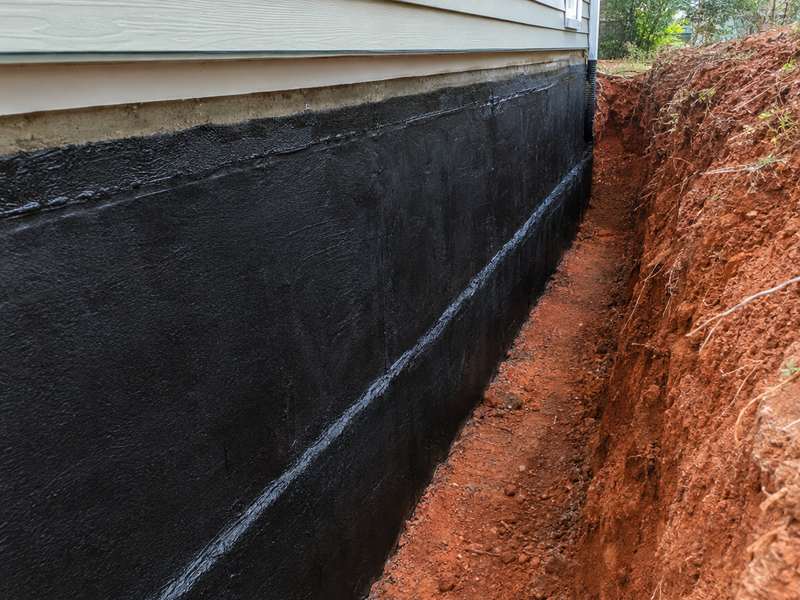
Exterior waterproofing is the most thorough method, because it stops water before it ever reaches the wall. We excavate down to the footing, clean the foundation, apply a waterproof membrane, and add exterior drainage so water is carried away instead of pressing against the concrete.
It is the right call for heavy, ongoing seepage or a failed original coating. It is a bigger job than interior drainage, so we only recommend it when the water truly calls for it, and we tell you straight which your home needs.
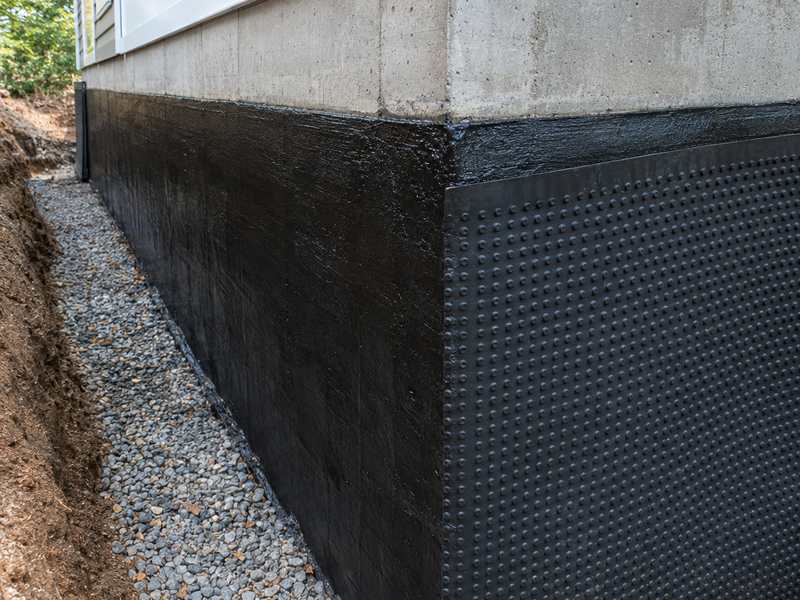
Foundation waterproofing seals the foundation walls themselves with a waterproof membrane or coating and a dimpled drainage board, so moisture and hydrostatic pressure cannot push through the concrete. It protects the structure and keeps the space behind it dry.
We use it on its own for damp or seeping walls and alongside drainage for a complete system. Done right, it is a permanent barrier, not a paint-on patch that peels in a season.
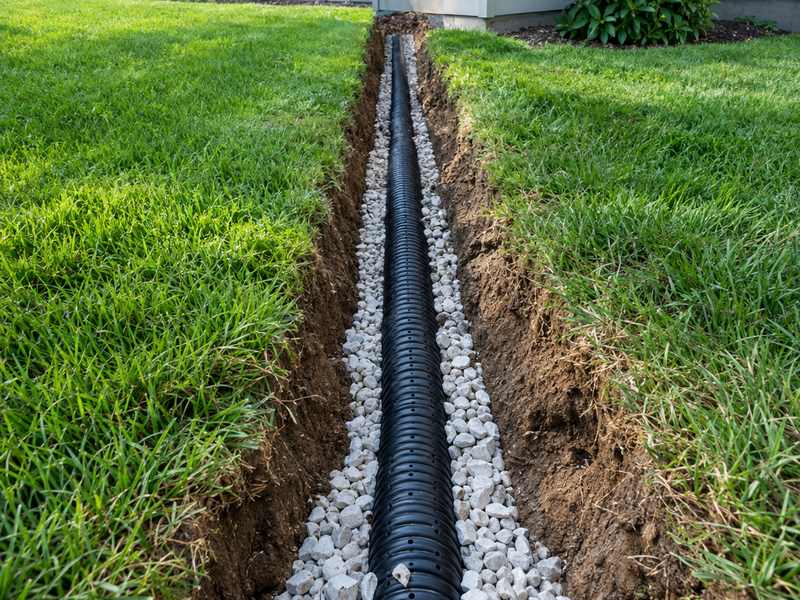
A french drain is a gravel-filled trench with a perforated pipe that collects water and carries it away from the foundation. On Asheville's sloped lots it is often the first fix, catching slope runoff and surface water before it ever reaches the basement. We run them interior, exterior, or in the yard.
We also correct the drainage that caused the problem: downspout extensions, grading, and catch basins. Moving water away from the house is the cheapest, most durable way to keep it dry, so we always check it first.
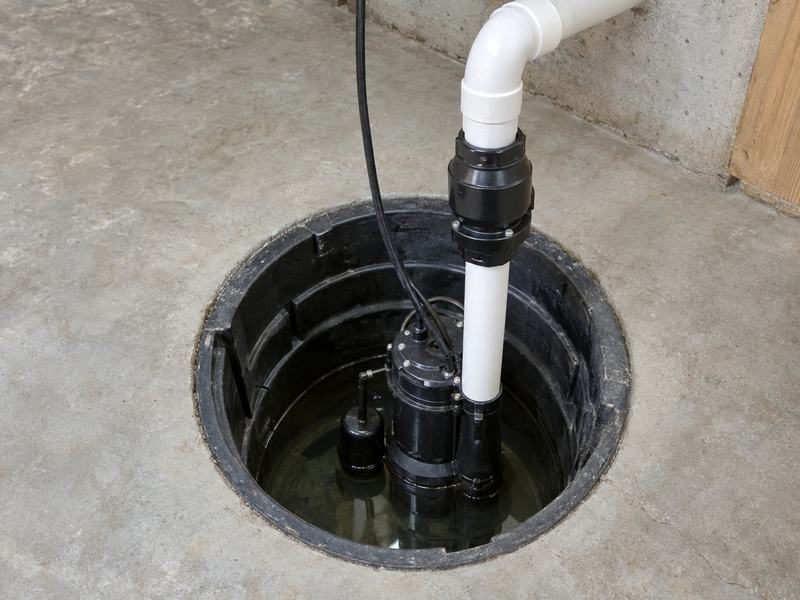
A sump pump is the heart of most interior systems. It sits in a pit at the lowest point, and when water rises it switches on and pumps it out and away from the house. We install, replace, and upgrade pumps, and size them to the water volume your home actually sees.
Where a power outage during a storm would mean a flooded basement, we add a battery backup so the pump keeps running when you need it most. We test the full system before we leave.
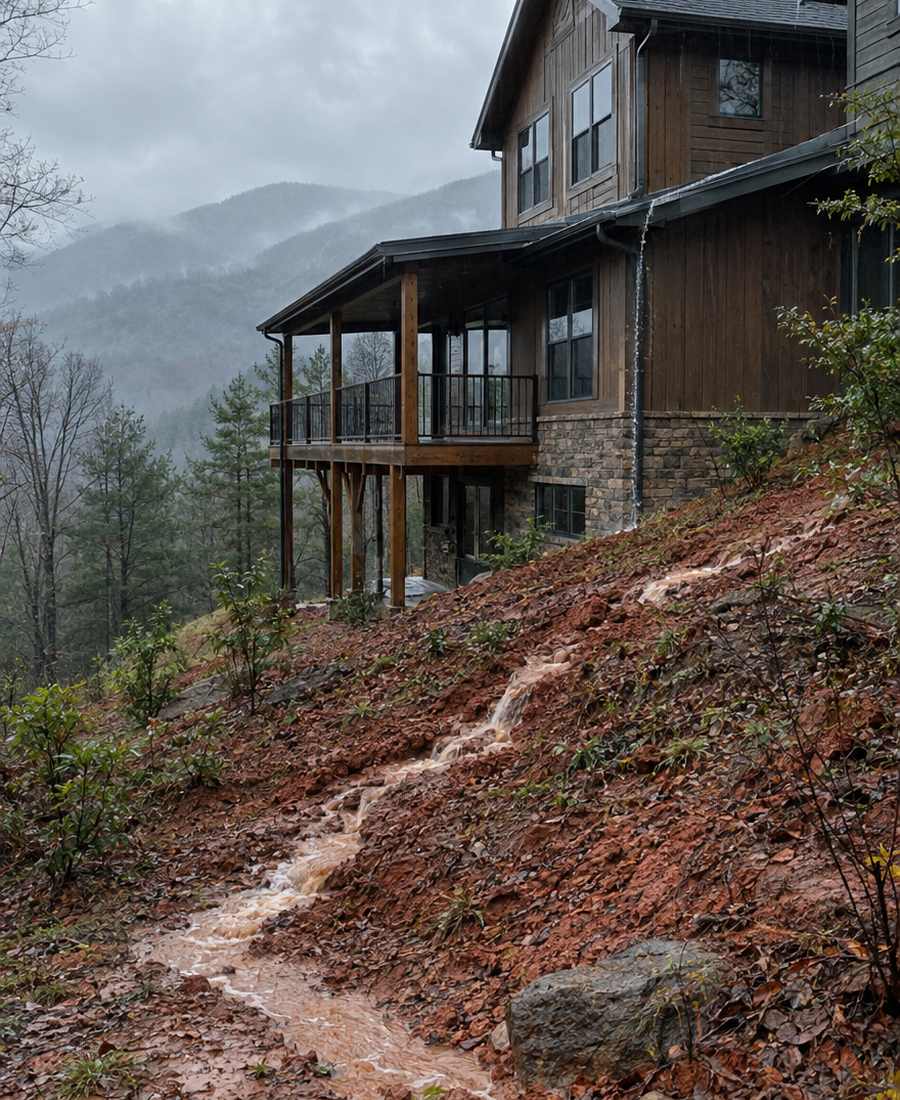
Water in Asheville basements and crawl spaces is rarely bad luck. The city sits in the French Broad River valley, ringed by mountains that catch heavy rain and funnel the runoff downhill toward the homes below. A handful of local conditions work against nearly every house here, which is why so much of Buncombe County deals with water, and why the fix has to match where it is coming from, not just mop up the symptom.
Asheville homes sit on grades and hillsides, and a sloped lot sends rainwater running straight downhill toward the foundation. Without drainage to intercept it, that water pools against the wall and works its way in.
The Asheville area averages around 45 inches of rain a year, and the surrounding peaks catch far more and send it straight downhill. The wettest stretches, and the major storms Western North Carolina has seen in recent years, drop it faster than the ground can absorb, so the soil saturates and the water pushes against every foundation that is not sealed and drained.
The clay here holds water against the foundation instead of letting it drain away. As it sits, it builds hydrostatic pressure that forces moisture through hairline cracks and porous concrete, which is what you see as seepage and efflorescence.
Many Asheville homes predate modern waterproofing, with original coatings that have long since failed and gutters or grading that send water the wrong way. The water was always going to find the path of least resistance.
None of it fixes itself, and a damp basement only gets worse and more expensive as mold and rot set in. The lasting fix is to move water away from the house and seal and drain what is left, which is what we build every plan around.
From your first call to a dry basement, here is how we work.
We find where the water is getting in and why, inside and out, and pinpoint the source, the soil, the slope, and the drainage. A clear read, no pressure.
We walk you through the method that fits, interior, exterior, french drain, or sump pump, with a written plan and a firm, itemized price before any work starts.
Our crew installs the drainage, membrane, french drain, or sump pump, working clean and protecting your home throughout.
We test the system, show you how it works, and go over the transferable warranty before we leave. Your basement stays dry, guaranteed.
Local, licensed, honest on price, and the right method for your water, not a sales script.
Every inspection is free with no obligation. We find the real source of the water and give you an honest read, even if the honest answer is a simple drainage fix rather than a big system. No scare tactics.
You see a firm, itemized price before any work begins, and you approve it first. No surprise add-ons once the crew is on site, and no vague ranges that balloon on the invoice.
We match the fix to how water is actually getting in, interior, exterior, drainage, or sump, and back the work with a transferable warranty you can pass to the next owner.
We waterproof mountain homes every week and know what the slopes, the rain, and the clay do to them. You get crews who understand Asheville water, not a generic playbook.
Honest ranges to plan around. Your exact price comes after a free on-site inspection.
Interior drainage system plus sump pump, priced by the linear feet of wall and the water volume.
Excavation, exterior membrane, and drainage, priced by depth, access, and how much of the foundation needs it.
French drains and drainage correction, or a sump pump with battery backup, by the size of the job.
What moves the price: the method, the linear feet of wall, how much excavation is needed, the water volume, battery backup, and access to the work area.
These are planning ranges from current cost data, not a quote. Your firm price comes after a free on-site inspection.
Straight answers from our waterproofing work across Buncombe County.
It depends on the method. An interior drainage system typically runs $3,000 to $12,000 by the linear feet, exterior waterproofing with excavation runs $8,000 to $20,000 or more, and a french drain or sump pump is often $1,500 to $6,000. You get a firm, itemized price after a free inspection.
Interior waterproofing catches water at the footing and pumps it out, and is the common, less-disruptive fix for a basement that is already taking on water. Exterior waterproofing excavates to the foundation and seals it from the outside to stop water before it reaches the wall. The free inspection tells you which your home actually needs, and we explain why.
The mountains. Sloped lots send rainwater running straight at foundations, Asheville gets heavy rainfall, and the clay soil holds water against the wall, building hydrostatic pressure that forces moisture through cracks and porous concrete. Poor grading and downspouts make it worse.
Often, yes. A french drain collects and routes water away before it reaches the foundation, which solves surface and yard water problems and slope runoff. For water already coming through the wall, we pair it with interior drainage or exterior waterproofing. We tell you straight what the real source is.
If water collects at your footing or your interior drainage needs somewhere to send the water, yes. A sump pump sits in a pit at the low point, and when water rises it pumps it out and away from the house. We size it to your water volume and add a battery backup where it matters.
A wet basement or crawl space does not fix itself, and standing water leads to mold, musty air, rot, and damage to anything stored down there, plus it can undermine the foundation. Waterproofing protects the structure, the air you breathe, and the value of your home, and a proper system is permanent.
Most interior drainage and sump pump jobs are done in one to three days. Exterior waterproofing takes longer because of the excavation. French drains are often one to two days. We give you the timeline up front with the written plan.
That white, chalky, crystal-like residue is mineral salt left behind as water moves through the concrete and evaporates. It is a clear sign moisture is passing through the wall, and it is worth a free look before it becomes a bigger water problem.
Yes. Our interior drainage and waterproofing systems come with a transferable warranty you can pass to the next owner, which protects your home and your resale. We go over exactly what is covered before any work begins.
Yes. Every waterproofing inspection is free and comes with no obligation. We find where the water is getting in and why, then walk you through the method that fits, whether that is interior drainage, exterior waterproofing, a french drain, or a sump pump.
From downtown Asheville to the towns across Buncombe County and the nearby mountains, we come to you.